
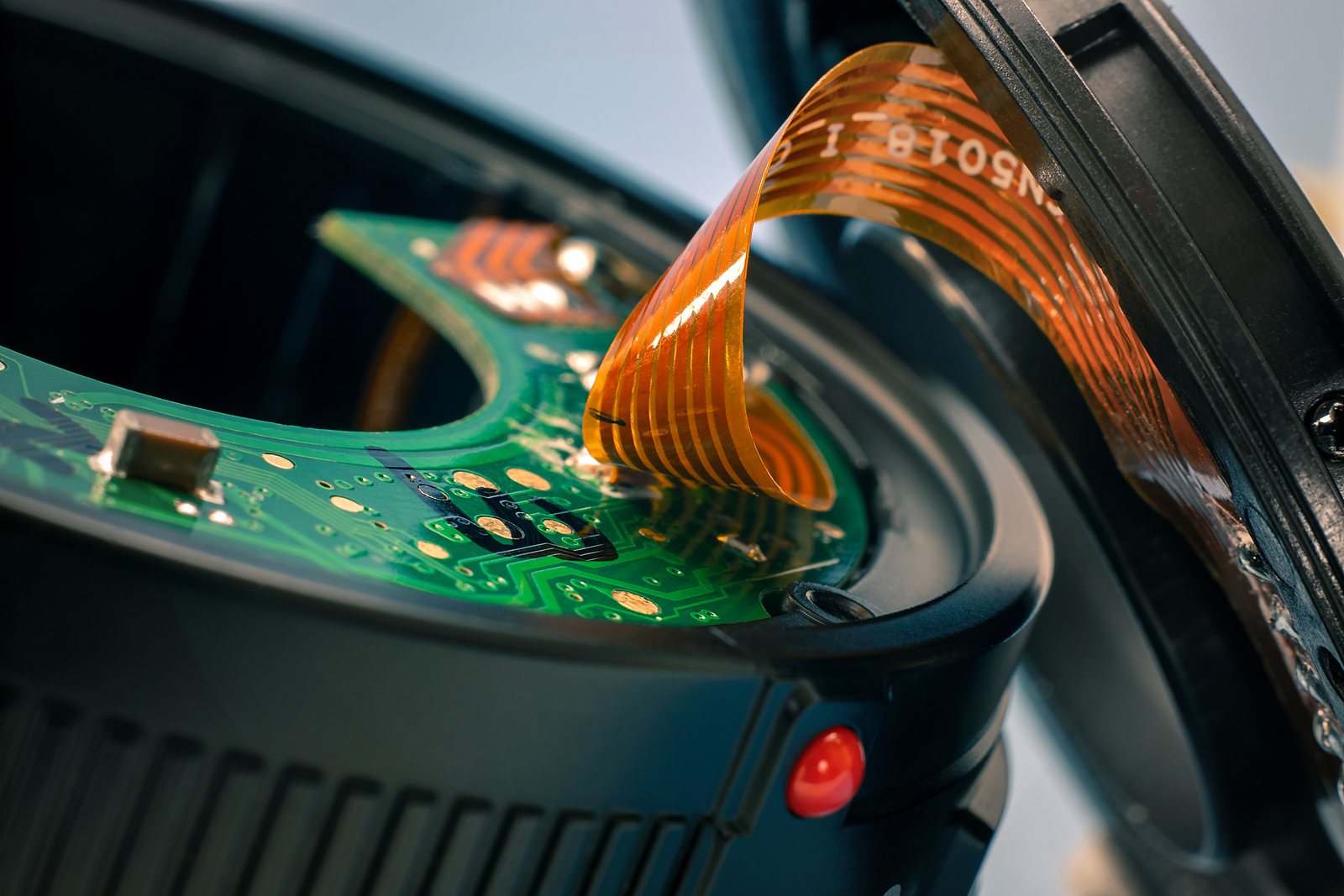
Technical guides for PCB and PCBA buyers
The questions we answer on calls every week, written up properly: what files a quote needs; whether you are buying a bare board or an assembled one; where small-batch cost goes; how lead time is calculated; how a board is tested; how to pick a surface finish; which component packages your design should use; what a workmanship class requires; which certification your product needs; what it costs to change supplier; what to do when a part goes obsolete; and what a power board demands of its copper, its thermal path and its spacings. Where a different supplier is the better answer, we say so.
- Guides12
- Updated2026-10
- Reviewed byTom You & Hai Huang
- CostFree, no signup
Twelve answers, in the order a project asks them
Each guide takes one question and answers it with the things a buyer can check — prices, dates, standards, failure modes. Pick the group your project is in.
Ordering & cost
What a quote actually needs, where the weeks go, and why a hundred boards cost more per unit than a thousand.
What to send us for a PCBA quote
The three things a quote cannot be made without, the four that turn an estimate into a price, and what you get back within 24 hours.
Guide 02How long does PCBA take?
Where the weeks actually go, why the clock starts when you approve the files, and what shortens a date without changing it.
Guide 03Small-batch PCBA: where the cost actually goes
Why 100 boards cost so much per unit — stencils, setup, component minimums and test fixtures — and eight ways to bring the price down.
Guide 04From prototype to production: when you change supplier
What changes between a prototype run and a production run, and what re-qualifying a new supplier really costs.
Guide 05PCB vs PCBA: what the difference actually changes
A PCB is the bare board; a PCBA is that board with parts placed and soldered. Two standards, two pricing units, two clocks — and why mixing them up changes what you are quoting.
Quality & standards
Workmanship classes, inspection methods, surface finishes and the certificates behind them — and when the strictest one is wasted money.
What IPC-A-610 Class III actually requires
The difference between Class I, II and III — and how to tell whether your product genuinely needs the strictest one.
Guide 07How PCBA is actually tested
AOI, 3D X-ray, ICT and functional test — what each inspection catches, and what each one is blind to.
Guide 08Which quality certification does your product need?
IATF 16949, ISO 9001 and ISO 13485 compared — what each one actually requires, and how to check a supplier’s certificate in ten minutes.
Guide 09How to choose a PCB surface finish
ENIG, HASL, OSP, immersion silver, immersion tin and ENEPIG — cost, shelf life and failure modes, side by side.
Components & BOM
Which packages a line can place, and what to do when a part reaches end-of-life halfway through a build.
What happens when a component goes obsolete?
NRND, last-time buy, end-of-life and allocation — what each one still lets you do, and why broker stock is the answer people regret.
Guide 1101005 to 2512: which packages can be placed
The passive package spectrum, what the small end demands of a line, and why mixing the extremes on one board is hardest.
Application notes
Longer pieces on what a particular kind of board demands. The rest of the field notes live in the blog.
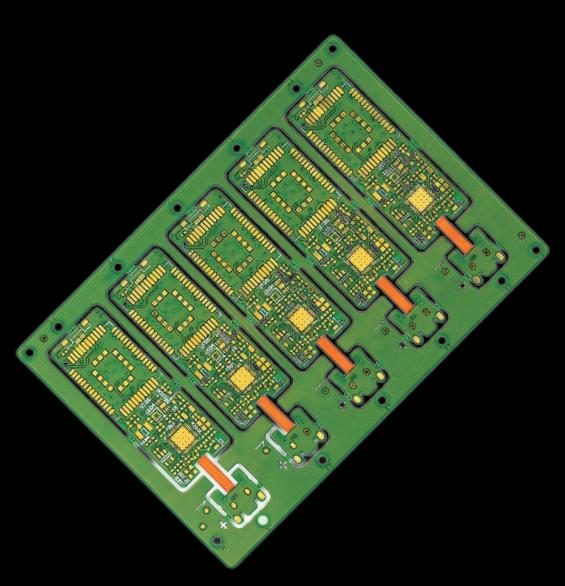
Common questions
How many technical guides are there?
Twelve, free and with no signup, updated October 2026. They run in the order a project asks the questions: what files a quote needs, how lead time is calculated, where small-batch cost goes, how a board is tested, which surface finish to pick, which workmanship class applies, which certification your product needs, and what to do when a part goes obsolete.
Which guide should I read first?
Start with what to send us for a PCBA quote if you have not ordered before, then the lead time and small-batch cost guides if you are budgeting. Once a design is being quoted, the testing and standards guides are the ones that come up in review.
Who writes them?
The engineering team that quotes the work, which is why the limits described are the limits the factory builds to. Where a different supplier is the better answer, the guide says so.

Not sure which standard applies to your product?
Send us the BOM and what the product is for. We will tell you which certifications and which workmanship class actually apply to it — and which ones you do not need to pay for.